At M.I.A. Motor Sports in Houston, TX, we understand that proper maintenance is essential to getting the most out of your pre-owned vehicle. Understanding when to change your oil and recognizing the warning signs of deteriorating engine oil can help you avoid expensive repairs and unexpected breakdowns.
How Often Should You Change Your Engine Oil?
Most modern vehicles require an oil change every 5,000 to 10,000 miles. However, the recommended interval depends on your vehicle's make, model, age, engine type, driving habits, and the type of motor oil used.Older vehicles may require more frequent oil changes, while newer vehicles equipped with advanced engine technology and synthetic motor oil may allow for longer intervals between services.
The following table provides general oil change recommendations:
| Motor Oil Type | Typical Oil Change Interval |
|---|---|
| Conventional Oil | 3,000–5,000 miles |
| Synthetic Blend Oil | 5,000–7,500 miles |
| Full Synthetic Oil | 7,500–10,000 miles |
| High-Mileage Oil | 5,000–7,500 miles |
Always follow your vehicle manufacturer's recommended maintenance schedule, including time-based intervals, regardless of the type of oil you use.
Why Are Regular Oil Changes Important?
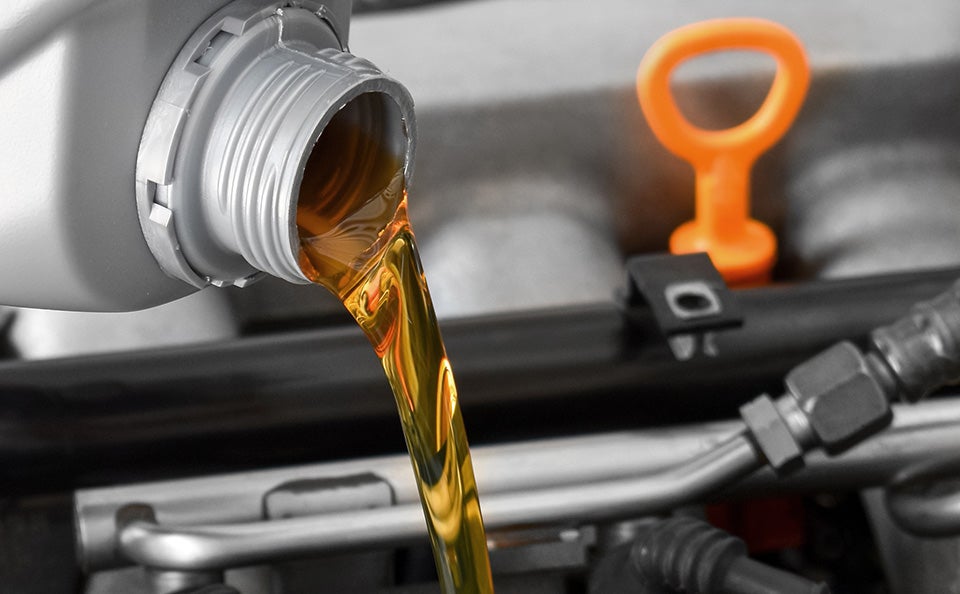
Engine oil performs several essential functions that help keep your vehicle operating efficiently. It lubricates internal engine components, reduces friction, helps regulate engine temperatures, and carries contaminants away from critical engine parts.Over time, motor oil deteriorates and collects dirt, debris, and combustion byproducts. As the oil loses its effectiveness, internal engine components become more susceptible to excessive wear and damage.
Regular oil changes can help:
- Extend engine lifespan
- Maintain optimal engine performance
- Support fuel efficiency
- Reduce friction and excessive engine wear
- Prevent harmful engine sludge buildup
- Reduce the risk of costly engine repairs
Consistent oil changes are particularly important for pre-owned vehicles with higher mileage.
Factors That Affect Your Oil Change Schedule
Not every driver operates their vehicle under the same conditions. Certain driving habits and environmental factors can cause engine oil to deteriorate more quickly.Houston drivers may benefit from more frequent oil changes if they regularly experience the following conditions:
- Heavy stop-and-go traffic
- Extreme summer temperatures
- Frequent short-distance trips
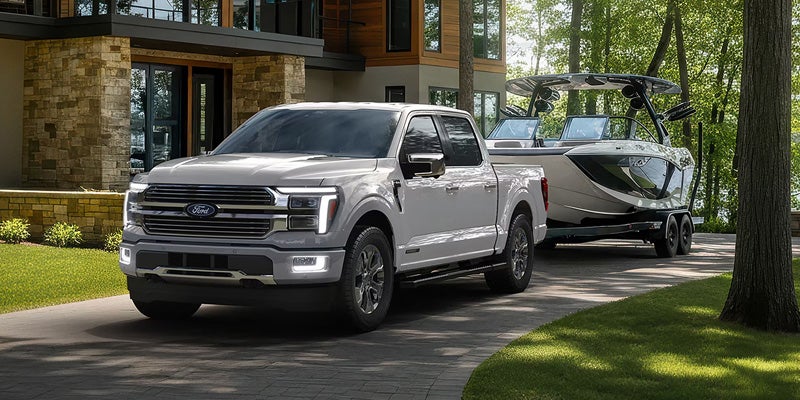
- Towing trailers or hauling heavy equipment
- Extended periods of engine idling
- Driving through dusty or unpaved areas
Commuting along Interstate 45, Interstate 10, or the Sam Houston Tollway during rush hour can place additional demands on your engine. Drivers who frequently encounter these conditions should review their manufacturer's severe driving maintenance schedule.
Signs Your Vehicle Needs an Oil Change
While following a regular maintenance schedule is recommended, your vehicle may display warning signs that indicate its engine oil needs attention.Illuminated Oil Change Reminder
Many modern vehicles feature an oil life monitoring system that alerts drivers when an oil change is due. Pay attention to these notifications and schedule maintenance accordingly. A red oil pressure warning, however, requires immediate attention. Safely pull over and shut off the engine.Increased Engine Noise
Unusual ticking, knocking, or excessive engine noise may indicate insufficient lubrication or another mechanical problem. These symptoms should be inspected promptly rather than assuming an oil change will resolve them.Low Engine Oil Levels
Checking your engine oil regularly can help identify potential leaks or excessive oil consumption. If your oil level consistently drops between services, have your vehicle inspected by a qualified technician.Overdue Maintenance
If you cannot remember your last oil change or have exceeded the manufacturer's recommended service interval, it may be time to schedule maintenance. Keeping accurate service records can help you stay on track.Conventional vs. Synthetic Motor Oil
Choosing the right motor oil is another important part of maintaining your vehicle. Conventional motor oil provides basic engine protection and may be suitable for certain older vehicles. Synthetic blend oil combines conventional and synthetic base oils, offering enhanced performance in some applications.Full synthetic motor oil generally provides improved resistance to thermal breakdown, better performance under extreme temperatures, and enhanced engine protection. These characteristics can be especially beneficial during Houston's hot summer months.
Regardless of your preference, always select the oil viscosity and specifications recommended by your vehicle manufacturer.
How Often Should You Change the Oil in a Pre-Owned Vehicle?
When purchasing a pre-owned vehicle, reviewing its maintenance history is an excellent way to determine when its next oil change is due. If previous maintenance records are unavailable, establishing a new maintenance schedule with an oil and filter change is a practical starting point.Drivers with vehicles exceeding 75,000 miles may also consider high-mileage motor oil if it meets their manufacturer's specifications. These oils are formulated to address certain concerns associated with aging engines, including seal deterioration and oil consumption.
Shop Quality Pre-Owned Vehicles at M.I.A. Motor Sports in Houston, TX
Maintaining a consistent oil change schedule is a simple yet effective way to protect your automotive investment. By using the recommended motor oil, monitoring fluid levels, and following your manufacturer's maintenance guidelines, you can help keep your vehicle running smoothly for years to come.At M.I.A. Motor Sports, we're committed to helping drivers throughout Houston, Katy, Cypress, Spring, Humble, and surrounding Texas communities find quality pre-owned cars, trucks, and SUVs that fit their needs.
Explore our pre-owned vehicle inventory, discover available financing options, and schedule a test drive at M.I.A. Motor Sports in Houston, TX, today!